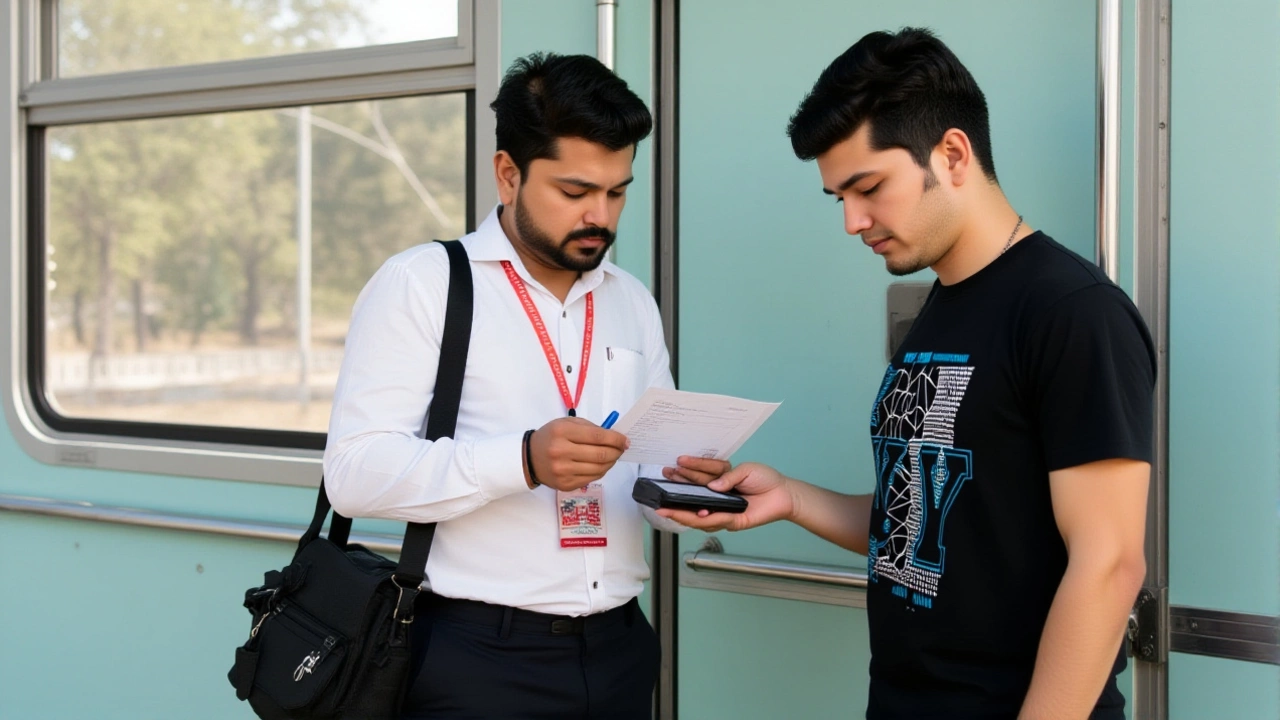
When Jammu Division, a key administrative unit of Indian Railways, launched an intense crackdown on rule-breakers, the numbers were staggering. Officials caught and fined exactly 1,061 passengers traveling without valid tickets across the region.
The operation took place in Jammu, located in the union territory of Jammu and Kashmir. While the specific dates remain vague in initial reports, the move signals a sharp pivot toward stricter enforcement under the broader umbrella of Northern Railway.
Here’s the thing: this isn’t just about collecting money. The railway administration argues that unchecked ticketless travel creates overcrowding, compromises safety, and steals resources from legitimate commuters. By targeting these offenders, they aim to restore order on trains that are often packed beyond capacity.
The Numbers Behind the Crackdown
The figure of 1,061 is precise, not rounded. It represents individuals caught in the act during a coordinated checking drive. What’s missing from the immediate report? The total monetary value of the fines collected. We don’t know if each person paid a standard penalty or if amounts varied based on distance and class.
Typically, penalties for ticketless travel in India start at ₹500 plus the fare due, but can escalate significantly for repeated offenses or higher classes like AC coaches. Without the exact financial breakdown, it’s hard to gauge the revenue impact. However, the sheer volume of offenders suggests a systemic issue rather than isolated incidents.
This data point alone—over a thousand people in one sweep—highlights how prevalent ticket evasion has become. It’s a stark reminder of the challenges facing public transport systems globally, where demand often outstrips supply.
Why Passenger Comfort Matters
The official narrative frames this as a pro-passenger move. Think about it: when someone boards without a ticket, they occupy a seat meant for someone who paid. This leads to standing room only situations, even in reserved compartments. For elderly travelers or those with disabilities, this isn’t just inconvenient; it’s hazardous.
Safety is another critical angle. Overcrowded trains make emergency evacuations difficult. In the event of an accident or medical emergency, extra bodies in aisles can block access. The Jammu Division’s stance is clear: enforcing ticket rules protects everyone on board, not just the bottom line.
Revenue protection also plays a role. Every unpaid fare is lost income that could fund better maintenance, cleaner stations, or improved services. By plugging these leaks, railways hope to reinvest in the very infrastructure passengers rely on.
Context Within Northern Railway
Northern Railway manages one of the busiest networks in India. The newly formed Jammu Division handles a significant portion of traffic in the northern regions. Its creation was part of a larger effort to decentralize management and improve responsiveness to local needs.
Historically, ticket checking drives have been periodic events. But recent trends show a shift toward continuous monitoring. Digital tools now help track patterns, identifying routes and times where ticketless travel spikes. This allows authorities to deploy staff more effectively, rather than relying on random checks.
Compare this to other zones. Mumbai Central and Delhi divisions have faced similar issues, leading to nationwide campaigns. The Jammu initiative mirrors these efforts, suggesting a unified strategy across Indian Railways to combat fare evasion.
What Passengers Are Saying
Reactions vary. Some commuters support the crackdown, citing frustration with empty seats occupied by non-payers. Others worry about the hassle of frequent checks slowing down journeys. A few argue that high fares drive people to evade payment, pointing to economic pressures.
One regular traveler noted, “It’s unfair when I pay full price and still stand because someone else didn’t.” Another countered, “If tickets were cheaper, maybe fewer would risk it.” These perspectives highlight the complex social dynamics at play.
Experts suggest that education campaigns alongside enforcement work best. Simply fining people doesn’t change behavior long-term. Combining strict checks with awareness about the benefits of paying fares might yield better results.
Looking Ahead: Future Implications
What’s next for Jammu Division? Likely, more frequent drives and possibly digital integration. Biometric verification and QR code scanning are being tested elsewhere. If adopted here, they could automate detection, reducing human error and bias.
There’s also talk of stricter penalties for repeat offenders. Blacklisting or legal action could deter chronic evaders. However, balancing punishment with accessibility remains a challenge. The goal is fairness, not exclusion.
Watch for updates on total fine collections and any policy changes. If successful, this model could be replicated in other divisions. For now, the message is simple: buy your ticket, or face the consequences.
Frequently Asked Questions
How much is the fine for traveling without a ticket?
The minimum penalty is usually ₹500 plus the actual fare due. However, amounts can increase based on distance traveled and class of coach. Repeat offenders may face higher fines or legal action under the Railways Act.
Why is Jammu Division focusing on this now?
Rising overcrowding and revenue losses prompted the action. Authorities aim to ensure fair access for paying customers and maintain safety standards. This aligns with broader Northern Railway goals to improve service quality.
Will there be more checks in the future?
Yes, intensified ticket checking is expected to continue. Digital tools may enhance efficiency. Regular drives will likely become routine to sustain compliance and prevent resurgence of ticketless travel.
Does this affect all train types?
Yes, the crackdown applies to all services within Jammu Division, including express, passenger, and suburban trains. Enforcement is particularly strict in reserved coaches where seat allocation matters most.