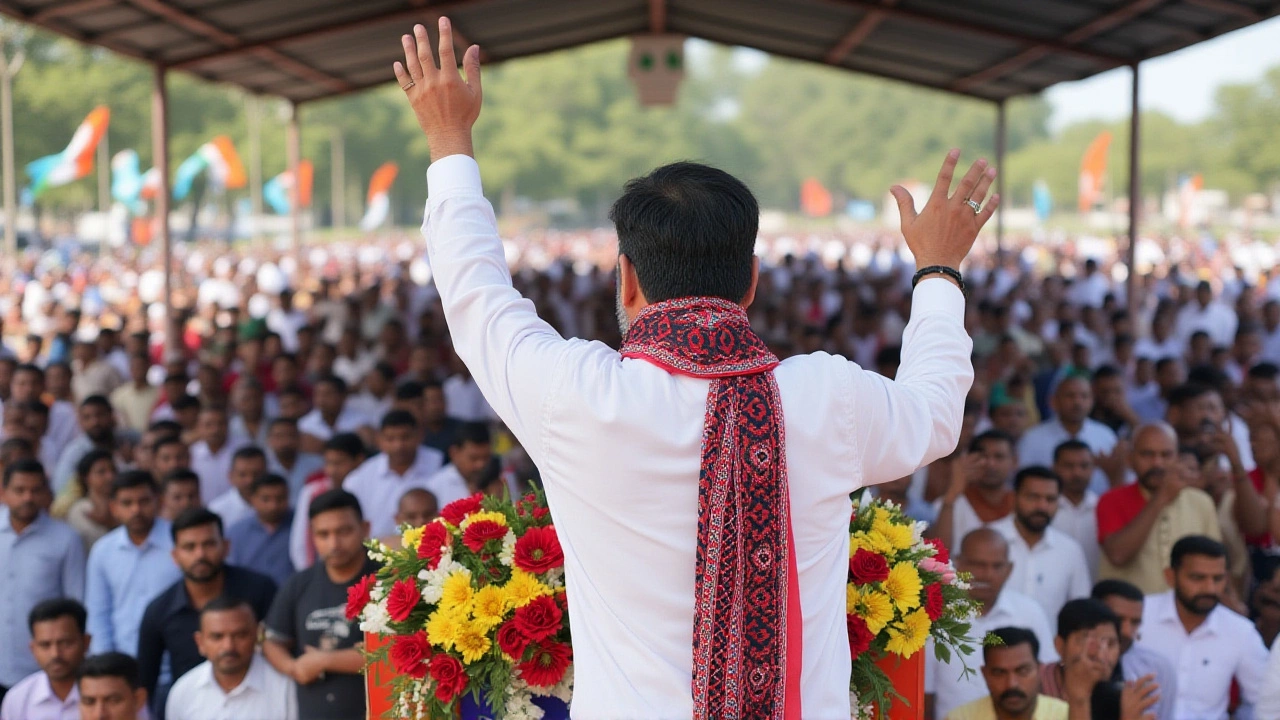
When Rahul Gandhi, senior leader of the Indian National Congress, took to the podium in New Delhi this past Sunday, he didn't mince words. He demanded the immediate resignation of Dharmendra Pradhan, India's Minister of Education, accusing the central government of a catastrophic failure in overseeing the National Eligibility cum Entrance Test (NEET). The stakes? The futures of over 2.4 million students.
The controversy centers on alleged irregularities and paper leaks in the 2026 NEET exam, India’s most critical gateway for medical admissions. For millions of families, this isn’t just a test—it’s a life-or-death moment for their children’s careers. Now, it feels like that trust has been shattered.
A Political Firestorm
Here’s the thing: political blame games are common in India, but the scale of this accusation is unprecedented. During a press conference covered by major outlets like Aaj Tak and JAN TV, Gandhi painted a grim picture of systemic corruption. He didn’t just criticize policy; he attacked integrity.
“The hard work of 22 lakh students has been ruined,” Gandhi stated, citing figures that some reports inflated to over 24 lakh affected candidates. His message was clear: this wasn’t a glitch. It was, in his words, “organized corruption.”
The twist is how he framed the responsibility. By targeting Narendra Modi, the Prime Minister of India, Gandhi suggested that silence at the top equals complicity. “Why hasn’t the Education Minister been dismissed when lakhs of students’ futures are impacted?” he asked, challenging the Prime Minister’s leadership directly.
The 'Episenter' Accusation
Gandhi didn’t stop at federal criticism. He pointed fingers at state-level governance, specifically claiming that states ruled by the Bharatiya Janata Party (BJP) have become the “episenter” of paper leaks. This is a significant escalation. It implies that the ruling party’s stronghold across multiple states is facilitating, rather than preventing, these breaches.
Turns out, this isn’t an isolated incident in the public eye. While previous exams have seen allegations, the sheer volume of complaints this time—coupled with the digital nature of modern leaking methods—has sparked widespread outrage on social media and in town halls across the country.
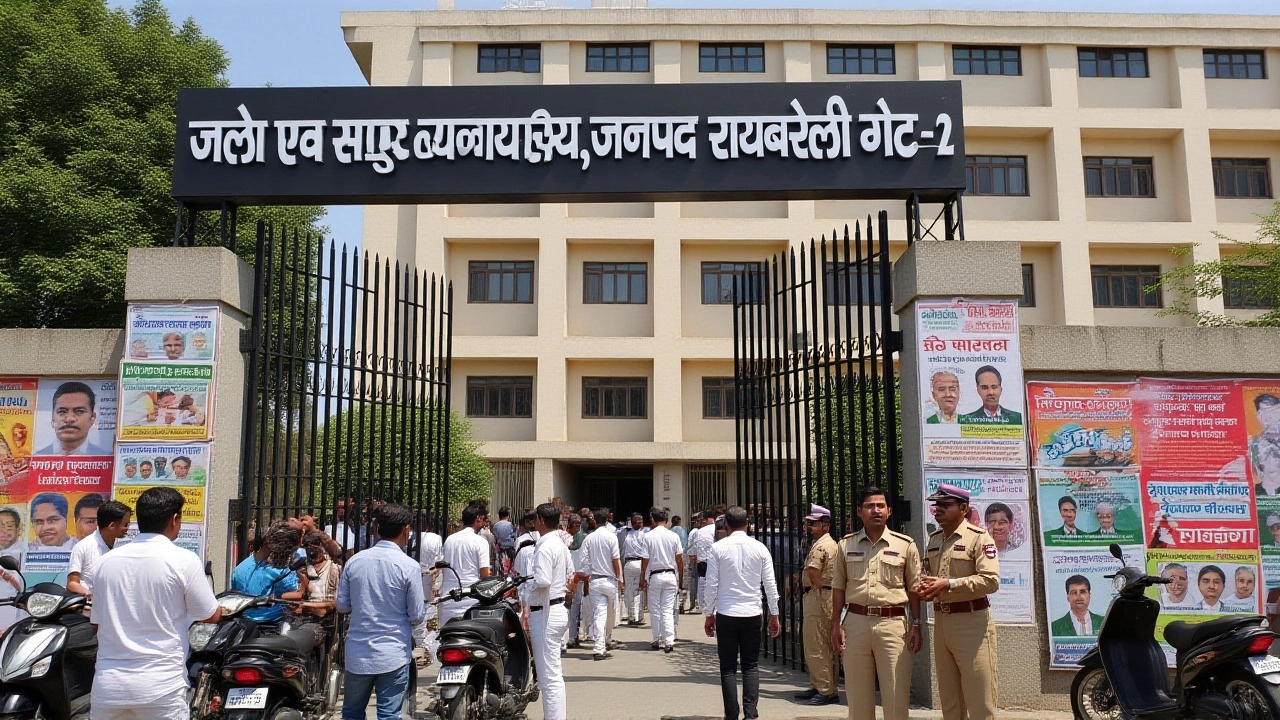
Congress Demands Accountability
The Indian National Congress has formalized its stance. Their official position calls for three things:
- Immediate resignation of Dharmendra Pradhan.
- An independent, transparent investigation into the leak mechanisms.
- Strict legal action against all individuals involved, regardless of political protection.
This demand for “strict action” suggests the opposition believes the current investigative bodies may lack independence or teeth. They want a clean slate, not a cover-up.
Government Silence Speaks Volumes
As of now, the response from the center has been notably quiet. There’s no official statement from Pradhan offering his resignation, nor a detailed rebuttal from the Prime Minister’s office. In politics, silence can be a strategy—or a sign of trouble. The details are still unclear, but the vacuum is being filled by speculation and anger.
Experts note that without a swift, transparent inquiry, the credibility of India’s entire higher education entrance system hangs in the balance. If students don’t trust the process, they won’t trust the results.
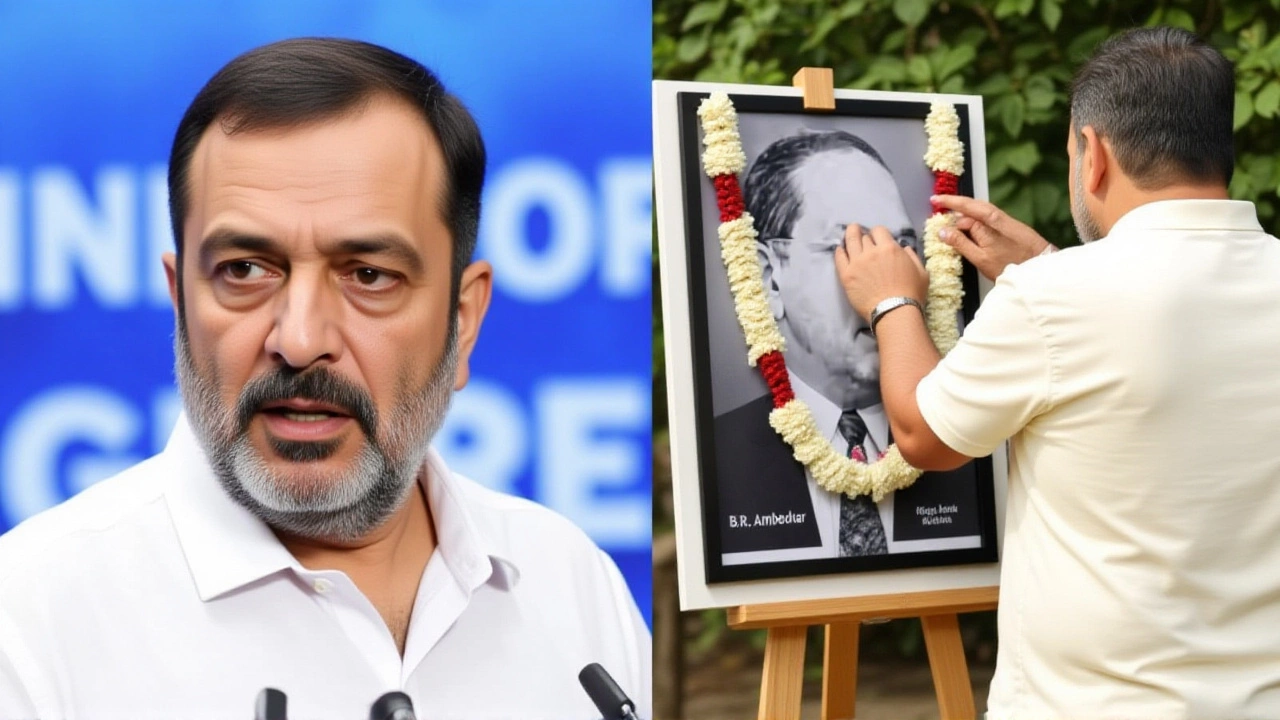
What’s Next?
All eyes are now on the Ministry of Education. Will they announce a probe? Will they re-examine the papers? Or will they wait for the political heat to cool? Meanwhile, students who sacrificed years of preparation are left in limbo, waiting for answers that feel increasingly distant.
Frequently Asked Questions
What exactly is the NEET exam?
NEET stands for National Eligibility cum Entrance Test. It is the single mandatory entrance exam for admission to undergraduate medical courses (MBBS, BDS) and postgraduate medical courses in India. Over 2 million students take it annually, making it one of the largest competitive exams in the world.
Why is Rahul Gandhi demanding Dharmendra Pradhan's resignation?
Gandhi argues that as the Minister of Education, Pradhan is administratively and morally responsible for the integrity of national exams. With allegations of organized leaks affecting millions, Gandhi contends that Pradhan has failed to ensure transparency and security, warranting his immediate removal from office.
How many students were affected by the alleged leak?
Reports vary slightly, but Rahul Gandhi cited figures between 2.2 million and 2.4 million students. These numbers represent the vast majority of candidates who appeared for the 2026 NEET exam, highlighting the massive scale of the potential breach.
What is the government's response so far?
As of the latest reports, the central government and Prime Minister Narendra Modi have remained largely silent on the specific demands for resignation. No official statement denying the allegations or announcing a high-level probe has been widely circulated, leading to accusations of evasion from the opposition.
What does 'episenter' mean in this context?
By calling BJP-ruled states the 'episenter' of leaks, Gandhi is alleging that the majority of irregularities and paper leaks are originating from or being facilitated within states governed by the Bharatiya Janata Party, suggesting a pattern of political interference or negligence in those regions.